Selecting the Right Flange for Your Hub System
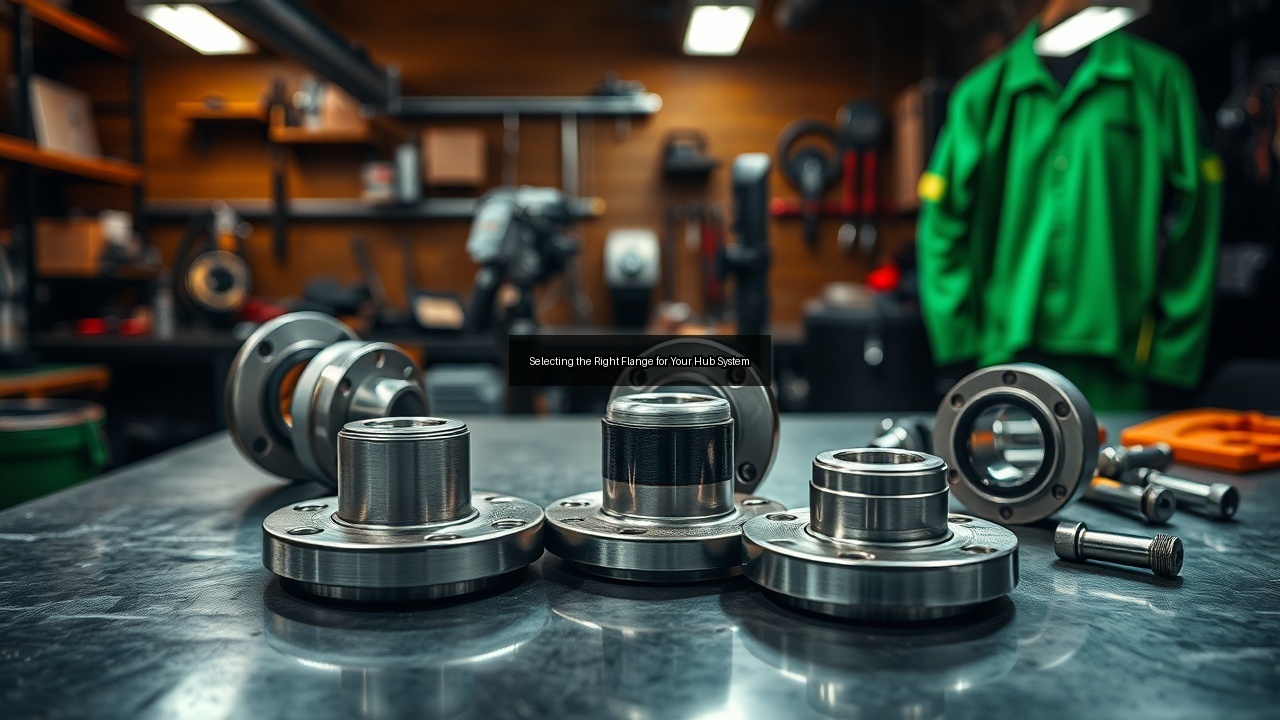
Understanding Hub Flanges and Their Importance
What is a Hub Flange?
A hub flange serves as a critical component in various mechanical systems, primarily in cycling and automotive applications. It acts as the connection point between the wheel hub and the spokes or the axle. Essentially, the hub flange provides the structural integrity needed to support the wheel and helps distribute the load evenly across the wheel assembly. This distribution is vital for maintaining balance and stability while riding. Without a properly designed and manufactured hub flange, performance can suffer, leading to issues such as misalignment, premature wear, and ultimately, failure of the wheel system.
Types of Flanges Used in Hub Systems
Flanges come in various types, each tailored for specific applications and performance requirements. The most common types found in hub systems include fixed flanges and adjustable flanges. Fixed flanges are permanently attached to the hub, providing a sturdy and secure point for spoke attachment. Adjustable flanges allow for fine-tuning, enabling cyclists to modify spoke tension, which can optimize performance based on riding style or environmental conditions. Additionally, consider flanged hubs that offer enhanced aerodynamics and reduced drag, especially important in competitive cycling. Selecting the appropriate flange type significantly impacts overall wheel performance and durability.
The Role of Flange Ball Bearings in Performance
Flange ball bearings play a vital role in the smooth operation of hub systems. These ball bearings reduce friction between moving parts, allowing for efficient energy transfer as the wheel spins. High-quality flange ball bearings can significantly affect acceleration, speed, and overall handling. In competitive cycling, such as during the Tour de France Femmes, the performance of these bearings can mean the difference between winning and losing. Properly maintained ball bearings ensure longevity and reliability, helping cyclists maintain their competitive edge. Regular checks and replacements of bearings are essential for optimal hub performance.
Selecting the Right Flange for Your Needs
Material Considerations: Steel vs. Aluminum
Choosing the right material for your hub flange is crucial for performance, weight, and durability. Steel flanges offer strength and resistance to deformation, making them ideal for heavy-duty applications and rough terrains. However, they come with a weight penalty. Aluminum flanges, on the other hand, provide a lightweight alternative, which can enhance speed and agility, especially in competitive cycling. The trade-off lies in the strength-to-weight ratio; while aluminum flanges may bend under extreme stress, they excel in situations where weight savings are paramount. Consider your riding style and conditions when selecting between steel and aluminum flanges to optimize your wheel performance.
Sizing and Compatibility with Bearings
Flange size and compatibility with bearings are fundamental aspects of selecting the right hub flange. The flange must align perfectly with the bearings to ensure a stable setup and smooth operation. Misalignment can lead to excessive wear on both the flange and the bearings, resulting in decreased performance and potential failure. When choosing a flange, pay attention to the specifications of your ball bearings and make sure they match. Additionally, consider the spacing between flanges and ensure they accommodate the type of axle you are using. Proper sizing will enhance the overall efficiency of your wheel hub assembly.
Understanding Set Screws and Their Role in Flange Installation
Set screws are essential components in flange installation, providing secure attachment and preventing movement during operation. These screws fix the flange to the axle or hub, ensuring that it remains in place even under significant stress. Choosing the right type of set screw is critical; they come in various lengths and materials, each suited for specific applications. Proper installation techniques, including the correct torque settings, are crucial for maximizing the effectiveness of set screws. When installed correctly, set screws contribute significantly to the overall reliability and safety of the hub system, particularly in demanding conditions.
Applications of Hub Flanges in Cycling and Beyond
Flanges in Bicycle Wheel Hubs: Insights from the Tour de France Femmes
Flanges play a pivotal role in bicycle wheel hubs, influencing speed, stability, and overall performance. The Tour de France Femmes showcases the importance of high-quality flanges, as professional cyclists require precision-engineered components to excel. The right flange design can enhance the aerodynamics of a bike, minimizing drag during high-speed sprints. For instance, cyclists like Tom Pidcock rely on meticulously crafted flanged hubs that optimize performance on various terrains. The competition demands constant innovation in flange flange hub design and materials to push the limits of speed and endurance. Understanding these dynamics can help amateur cyclists make informed decisions about their equipment.
Impact of Flange Design on Performance: A Case Study on Tom Pidcock
Examining the performance of elite cyclists like Tom Pidcock illustrates the significant impact of flange design on cycling efficiency. His choice of flanged hubs, which feature optimized geometry and weight distribution, contributes to his success on the bike. The design of flanges minimizes weight while maximizing strength, allowing Pidcock to maintain speed and control during intense races. The interplay between flange design and rider technique highlights the importance of selecting the right components for achieving peak performance. As cyclists seek to improve their skills, understanding flange dynamics becomes vital in the quest for speed and precision.
Choosing Flanges for Different Riding Conditions
Different riding conditions necessitate varied flange selections. For example, riders who frequently tackle rocky terrains may benefit from stronger steel flanges that can withstand the rigors of off-road cycling. Conversely, those who primarily ride on smooth, paved surfaces may opt for lightweight aluminum flanges to enhance speed and agility. Weather conditions, terrain type, and riding style all play a role in determining the optimal flange choice. Additionally, consider the impact of local events, such as the Bordeaux to Aurillac ride, which might require specific equipment adaptations for optimal performance in varying conditions. Tailoring flange selection to specific riding scenarios enhances overall enjoyment and efficiency.
Maintenance and Upkeep of Hub Flanges
Signs of Wear and When to Replace Flanges
Regular maintenance of hub flanges is crucial for ensuring long-term performance. Signs of wear include visible deformation, cracks, or excessive play in the wheel assembly. If you notice any of these indicators, replacing the flange promptly can prevent further damage to the hub system. Additionally, a sudden increase in noise from the bearings may signal that the flanges are not adequately supporting the load. Regular inspections and timely replacements help maintain the integrity of the wheel hub assembly, ultimately enhancing safety and performance during rides.
Understanding the Connection Between Flanges and Bushings
Flanges and bushings work in conjunction to support the wheel assembly's smooth functioning. Bushings provide an additional layer of support, allowing for proper alignment and reducing friction. Understanding this connection can aid in troubleshooting issues with the wheel hub. If flanges wear prematurely, it might indicate a problem with the bushings or improper installation. Regularly checking both components ensures that they work harmoniously, contributing to an efficient and reliable wheel system. Keeping flanges and bushings in good condition is vital for maintaining optimal performance, especially in competitive scenarios.
Best Practices for Maintaining Your Wheel Hub Assembly
Maintaining your wheel hub assembly requires a proactive approach. Regular cleaning and lubrication of bearings and flanges help prevent dirt and grime buildup, which can lead to premature wear. Inspect set screws to ensure they remain tight and secure, as loose screws can lead to flange movement and instability. Store your bike in a dry environment to prevent rust and corrosion, particularly with steel flanges. Following a structured maintenance routine not only prolongs the life of your components but also enhances overall riding performance. Adopting these best practices ensures a reliable and efficient cycling experience, whether you're tackling a local trail or competing in an event like the green jersey challenge.